

Everyone loves a story. I've seen this play out so many times, I've even been the person saying it a lot too. Something like this:
"This game sucks, and it's all because of this one crucial detail! If they just fixed this one detail everything would be good!"
"This game sucks, and it's all because of this one guy! If they just ignored this guy everything would be good!"
Or here's a less chuddy variant:
"It's such a missed opportunity. This game could have been amazing, their hearts were in the right place, but they just couldn't quite pull it off due to the shortcomings of modern technology"
As Gamers you play a lot of winners but you'll play way more losers. It's natural that as you develop your gamegoo palate the majority of games are going to become "bad" to your taste. It's also natural if you're someone like me who thinks about things too much, you'll start trying to figure out WHY games are good or bad, and to try to come up with simple, satisfying answers to that question like what I wrote above.
You'll try to find something that fits all the priors and explains everything you see at once. That's a totally natural thing to want to do, and it's not even a bad thing really, but I guess the point of writing this is I wanna convey that these are narratives, not reality.
In reality, situations are almost never actually explainable in this way. These narratives are more like metaphors for reality than actual descriptions of it. It's all well and good to make up stories but you should just be aware when you're doing it.
The truth is simultaneously more complicated and way more simple than this.
"No, you don't understand, I really did figure out the nature of the universe with my mind"
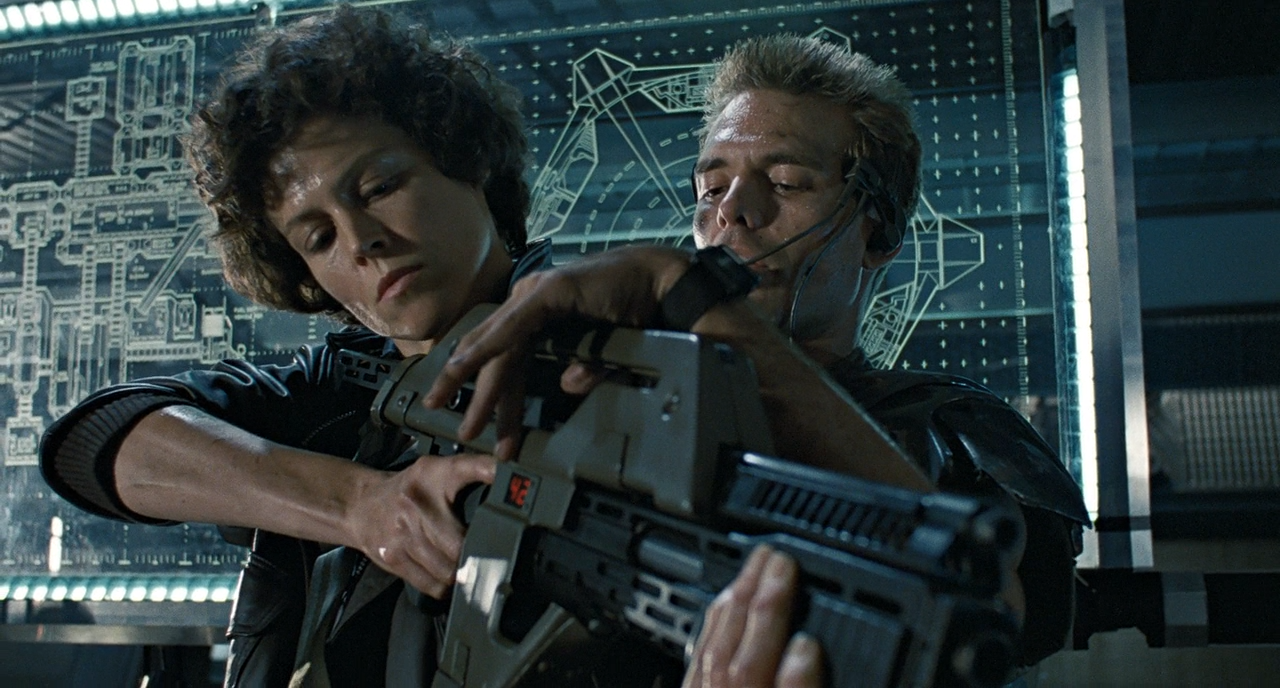

Lemme give you some examples. I promise the point of this isn't to prove that I'm a smarter narrative inventor than you
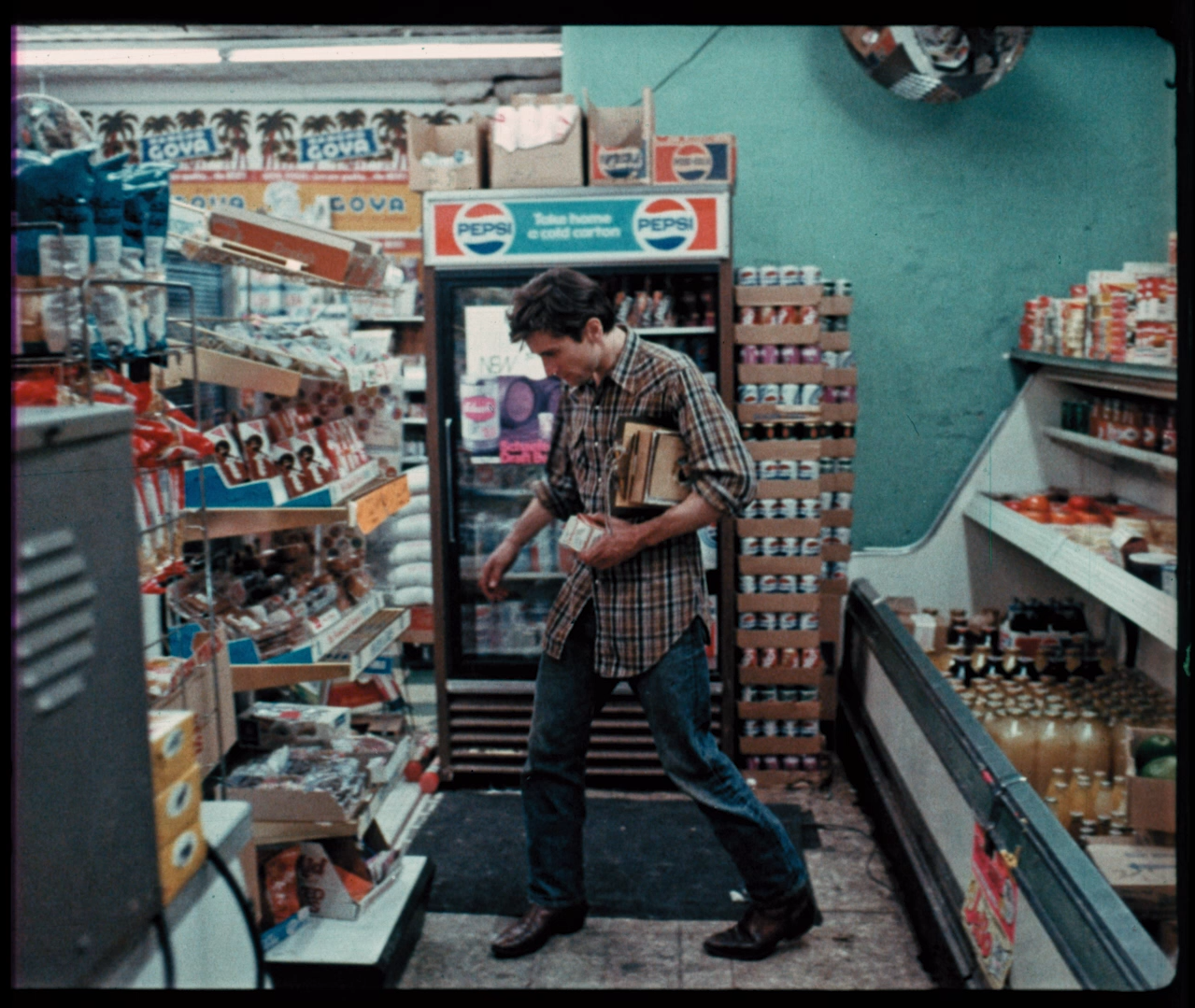
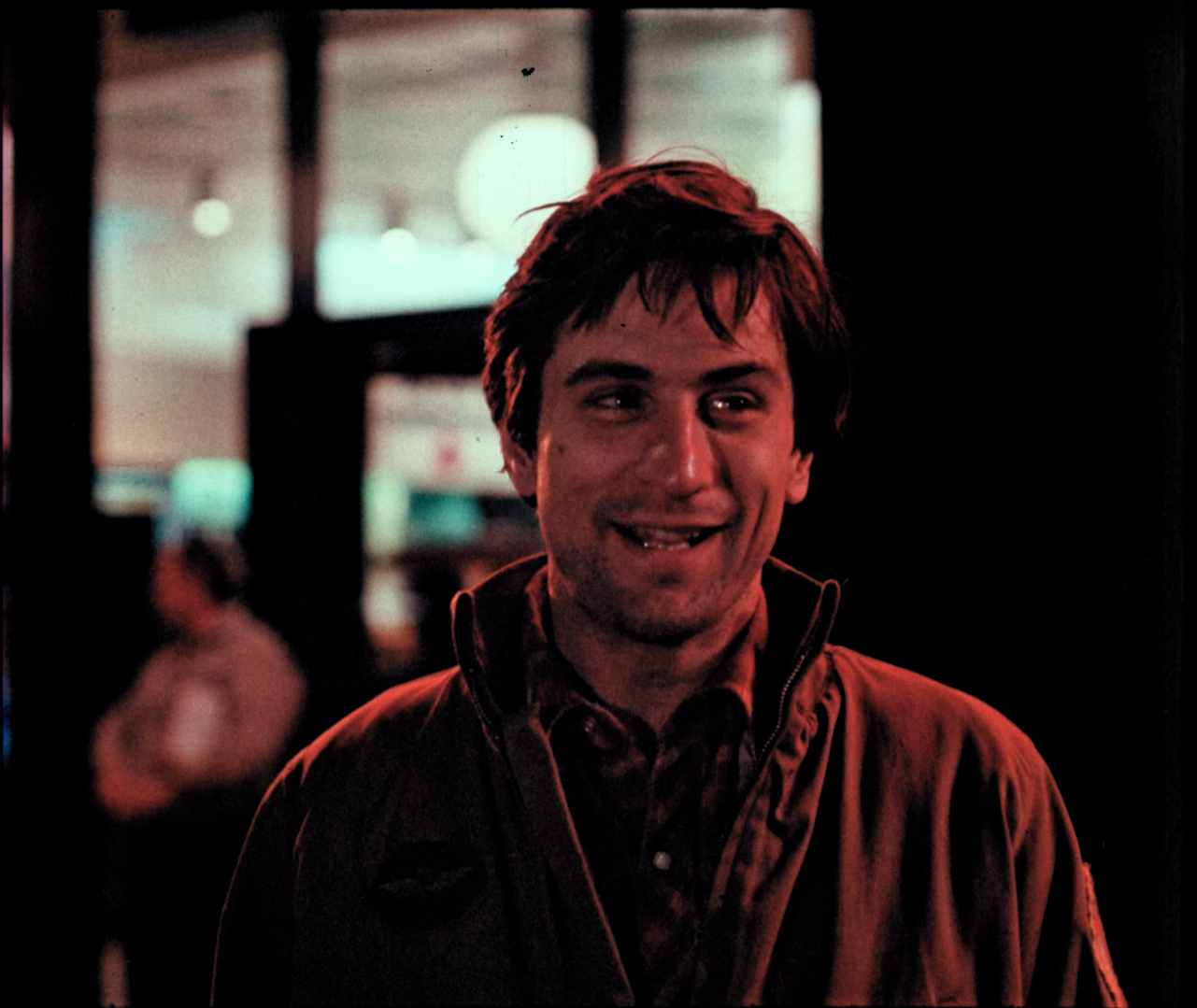
Pretty much everyone universally agrees that anime and cartoons looked better when they were painted onto physical cels with physical paint to how they look digitally colored. You can find infinite examples of this. A similar beef is people almost universally prefer how movies looked back in the 80s and 90s when they were filmed on physical film stock before digital cameras took over.
It's VERY TEMPTING to take these situations and go:
"Well of course the reason for this is because these new digital processes are missing some key quality that physical media had which these new ones lack. It's the subtle shadow behind cels as they get overlapped over the background, it's the film grain, it's the way film captures light, it's some ineffable quality of the physical process which imbues the work with a SOUL and makes it look good where this new crap looks bad."
This is a very satisfying narrative, an unconsidered second-order effect of their process caused this despite everyone trying their best and they just missed this small detail that ruined everything! But that's what it is... It's a narrative.
It might explain some things, it might sound really good, it might be satisfying. It's just not accurate.


Like think about the film idea. Digital cameras can capture the same scope of light as film, in fact they capture exponentially more light than film ever did. In film, you have to set your exposure WHEN you film, and whatever light you capture is what you get on the final product. I'm sure there's some wiggle room in the process, but on film more or less you have to get the shot when you take the shot. Old film cameras were also gigantic and loud as fuck, they're also really annoying and finnicky to use compared to digital. In comparison, with the digital process you capture the full HDR spectrum of the light and crunch it down to RGB in post which is much more forgiving. And it's not like the subjects we're capturing are different, we're capturing faces, real places, fantasy places, it's all the same stuff we used to do.
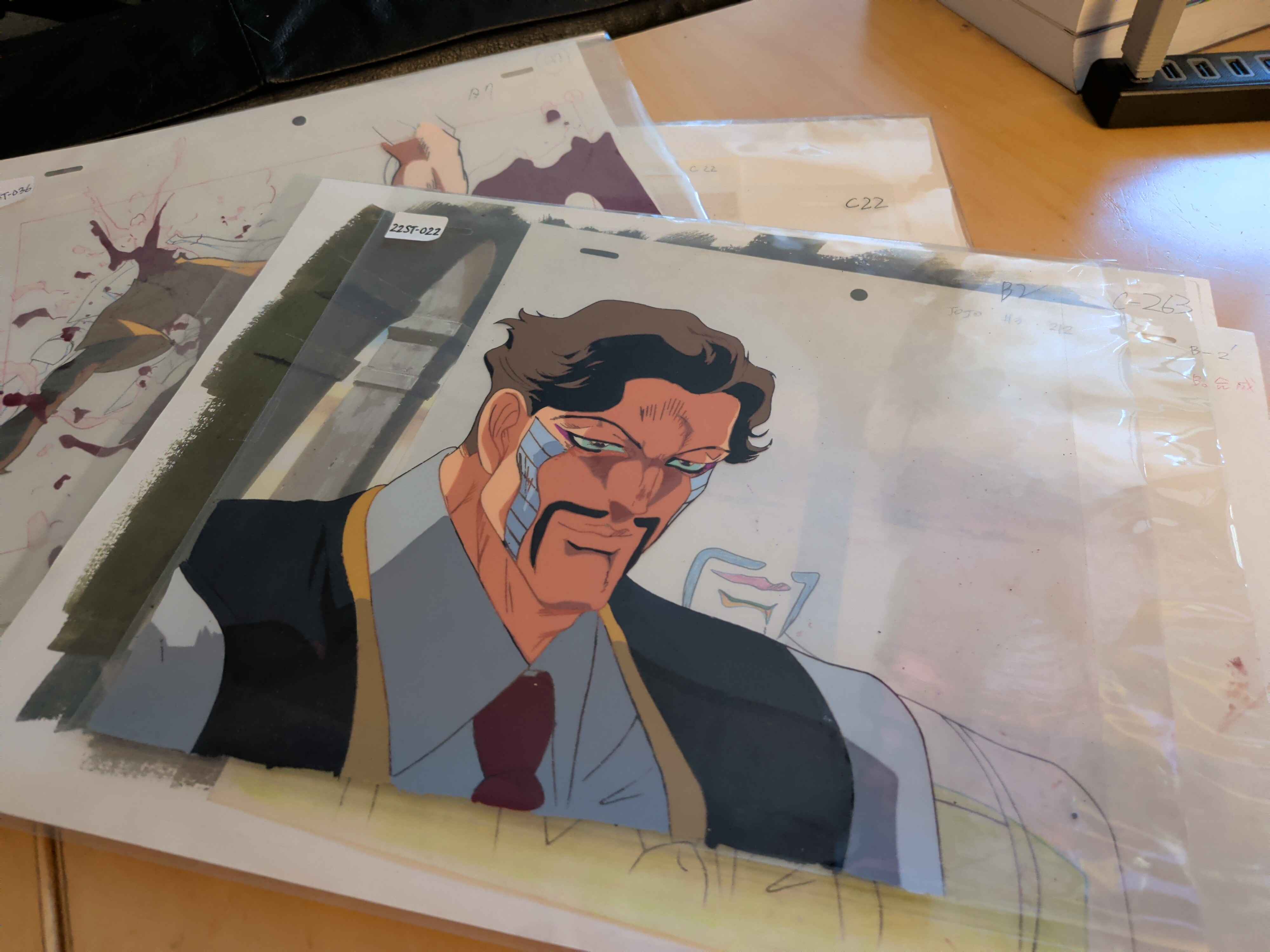
And similarly with the painted cels, the OG process was extremely labor intensive and time consuming. Not only do you have to pick out all the colors for every single line and shade you want in the entire movie IN ADVANCE, you had to acquire the PHYSICAL PAINT that was that actual color, and you had to actually paint the lines onto transparent plastic with real paint and a real brush, and then flip the cel over and manually color in the colors on the other side, then physically transport all these fragile cels to a massive photography rig where they would all be photographed onto the film reel one painting at a time where everything had to be individually arranged together for every frame of the movie. It was a massive pain in the ass and it's amazing anyone even did this at all much less that it became a dominant medium. It's an unbelievable amount of work once you really understand it. All of this became unnecessary with digital. Now the animator emails their shot to the Colorist and they click a few buttons to fill in the colors, which can easily be changed at any time, and it's done.
There is no actual reason whatsoever that the new process has some leg down on the old process. The new process is just better, easier, more flexible, more mutable. At the end of the day it all converts to RGB pixels. There's no actual reason something shot digitally can't look exactly the same as something shot on film, if that was desired. The real truth is that this simply wasn't desired.
Either the people making film don't value the same things you value about what the final shot looks like, or they weren't competent enough to make it look like that. They didn't set up the lighting to look good, they didn't set the film grade to look good, they didn't pick good colors. They just didn't do it
Finding Fault
"Narratives" about this basically go back and forth on the ultimate idea of Who is Responsible.
On one hand it's tempting to try to find some technical reason that "the new process" is at fault, but that just falls apart when you really know what's going on because by any rights the technical process of delivering images has become a million times easier.
The other side of this is to blame the creators, they didn't have the right idea, they couldn't do it, whatever. This is very passe but it is closer to correct. But it's still missing the point
The point is just that it's bad because it's bad. Why something ended up bad doesn't actually really matter honestly. Like in an academic sense it might be interesting but it's missing the forest for the trees. All this focus on describing why a certain outcome happened when the real problem is just that it sucks. "The narrative" doesn't actually explain why it sucks because there's nothing to explain. There's no actual reason why anything has to suck. It's often not even more work in an economic sense to make something not suck.
Like, it's not like "good colors" are more expensive than "ugly colors". It's not like "good lighting/composition" is more expensive than "crappy lighting/composition". Like okay nominally getting a bunch of gas lights is expensive and if you're working on a $0 budget you have limited options, but some of the best films of all time were made on a shoestring budget. Light doesn't cost money.
Wasn't this supposed to be about video games
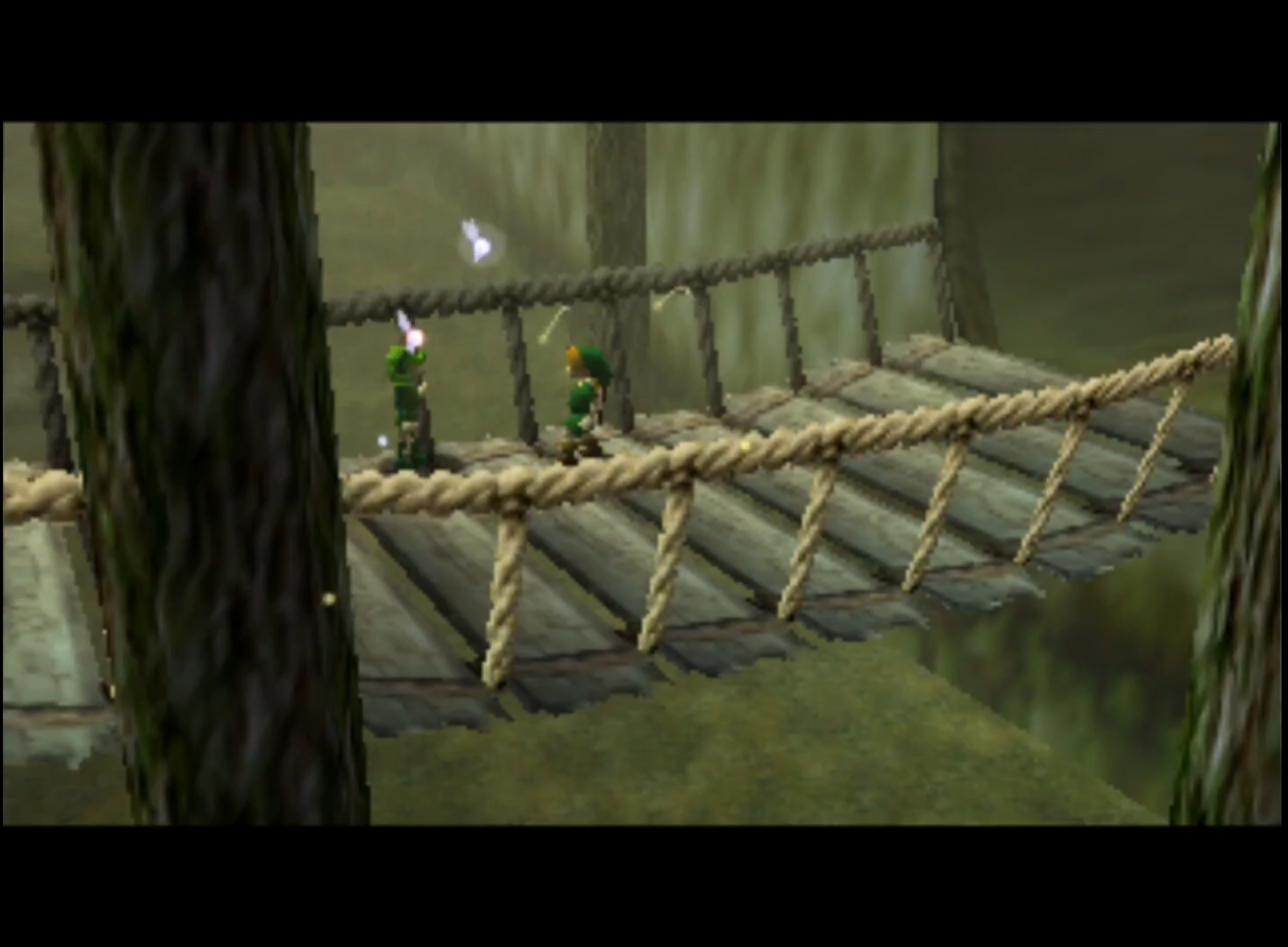
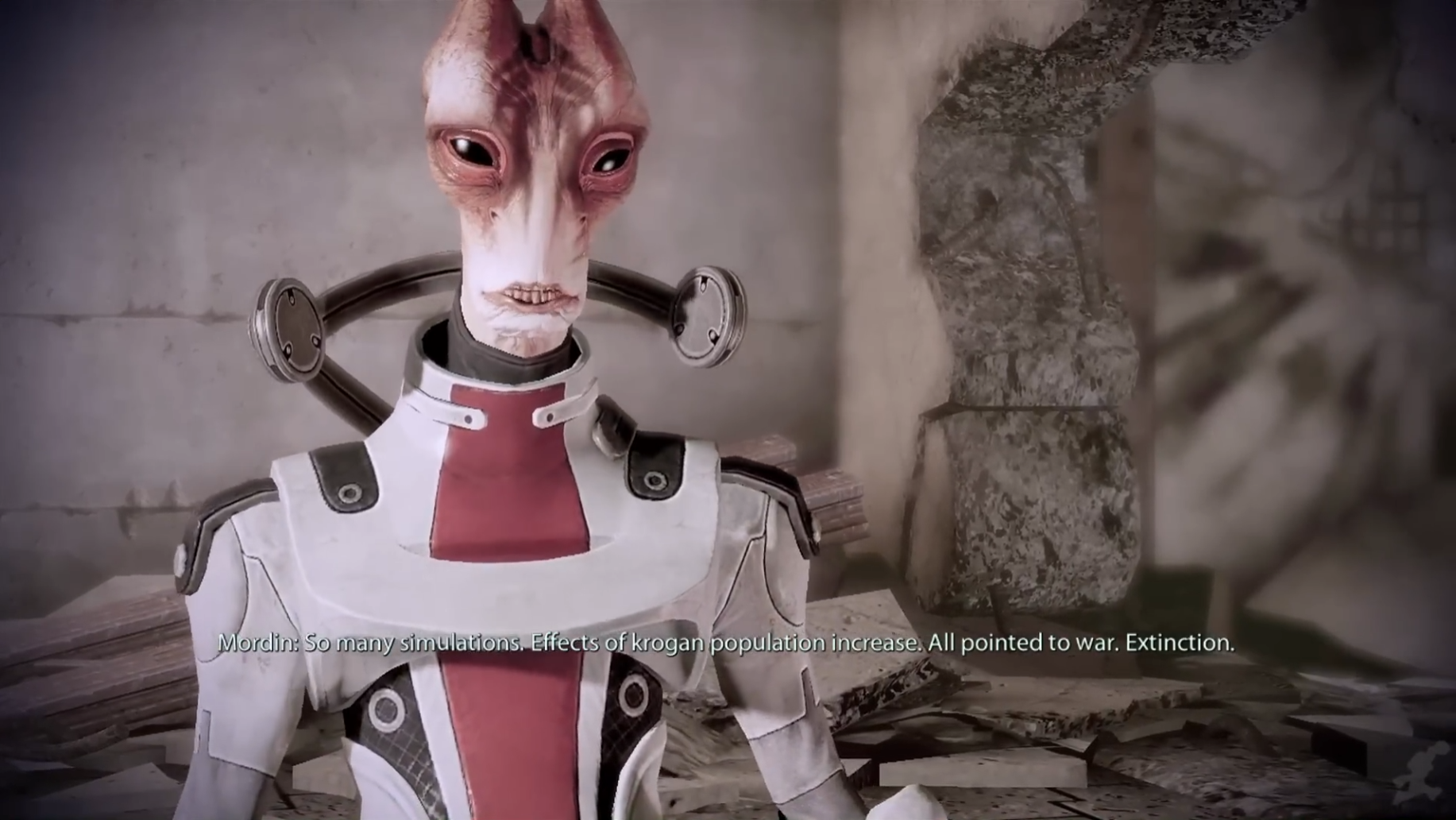
Yeah this is where videogames come in. because at least in film and even animation to an extent you're dealing with physical processes, logistical things, Maybe there are real genuine reasons why something is hard and something else is easier.
The thing that annoys me more than anything else is when I'm playing a VIDEO GAME which is entirely natively digital and it sucks. The amount of effort it takes to make a complicated video game that sucks is almost exactly the same as making a complicated video game that's good, the only difference is having the discernment to choose to make something good instead of something bad. But despite this people still try to come up with narratives to explain a bad outcome as some second-order technical shortcoming or some personal failing or whatever. It just doesn't matter. It's bad because it's bad
Like take a cutscene in a video game. The camera isn't real, they can orchestrate the entire scene and change the camera angle on a whim whenever they want. Despite that you still get scenes all the time in hundred million dollar AAA games where they use shot-reverse-shot film techniques, which is utterly boring. The only reason movies did that was because setting up a bunch of camera shots in real life is hard, and it's easier to just film two characters from two angles and swap between them in post. But what's the reason to do that when your camera and your actors and your entire world is already digital? There's barely a difference in effort at this point. So there's just no reason. It's just bad because it's bad
You just hate fun
I don't have anything against people coming up with narratives really I don't. This is more self critique than anything because I've been stuck on explaining "why"s for a long time and I'm recently realizing how pointless it's been. I just don't think it actually has explanatory power most of the time. It basically comes down to "something is bad for a technical reason" vs "something is bad for a personal reason" and there's really no way to prove one or the other, in reality it's going to be a complex combination of many factors which are both technical and personal, and it's really just not very useful to try to figure out the exact proportion of responsibility. It's just bad.
From an angle of critique it's a lot more useful to figure out and describe the failing itself than it is to try to explain the priors that caused the bad outcome to occur.
ok bye
Comments